
حضرت حاجی شکیل احمد صاحب مدظلہ کی ایک الہامی دعا


Hakim al-Umma Mawlana Ashraf Ali Thanawi (Allah ahve mercy on him) said regarding this,
The first type of gathering is that which does not contain any of the prevalent and customary restrictions (quyud). Neither [does it contain] mubah (permissible) restrictions nor makruh (prohibitively disliked) ones, i.e., it is free from all [sorts of] restrictions. For instance, a few people gathered by coincidence, no one had invited them with any extraordinary effort; rather they were gathered for some other permissible event. In this gathering, either by reading from a book or by delivering a lecture, the blessed event of the birth and the characteristics, habits, miracles and virtues of our Radiant Master (Allah bless him and give him peace), the Lord of the Universe, the Source of Pride for the Prophet Adam (may Allah’s peace be upon him), were narrated based on sound sources.
During this narration, if the need was felt to enjoin good actions and discuss religious rulings and one proceeded in doing so without hesitation or this gathering was held to listen to a religious discourse and within it these blessed events and virtues were narrated, then this is the type [of mawlid] that is permissible without any objection. Moreover, it is sunnah and mustahabb (recommended).
The Honorable Prophet (Allah bless him and give him peace) narrated his personal events and virtues in a similar way and later his Companions (may Allah be pleased with them) narrated them, the chain of which continues through the hadith scholars of present with the blessings of Allah Most High and it will continue until the end of time.
Read the rest of article………………………Mawlid, Deoband and Hanafi fiqh
Source: Deoband.org

جل جلالہ صلی اللہ علیہ وسلم
—————–
اللهم صل على حبيبك خير الخلق كلهم دائما” ابدا

Shaykh Shah Wasiullah (may Allah have mercy on him) said,
“People yearn for vision of the Prophet (Allah’s blessing and peace be upon him) in their dream. However, this is not within our volitional achievements. Therefore, I am telling you a method by which perpetual spiritual vision of the Prophet (Allah’s blessing and peace be upon him) can be achieved.
That method is, to be vigilant in keeping in mind and putting into action the Sunna of each occasion and activity. By doing so the impression and reflection of Prophet (Allah’s blessing and peace be upon him) will dominate your thoughts. And this is a magnanimous blessing!’
It is easy to say this.
In reality, in spite of being easy, recalling them (at the appropriate time) and acting on them is solely depended on facilitation (tawfiq) from Allah, Most High. In practical life usually we forget and action on Sunna is missed. Therefore, we should (make it a habit to) supplicate, ‘O Allah! By Your mercy facilitate for us thorough following of the Sunna of your Beloved Prophet (Allah’s blessing and peace be upon him)’. ذالك فضل الله يوتيه من يشاء

Tazkira Musleh al-Ummat ra, page 99 – 100

Shaykh Sayyid Zawwar Hussain Shah (Allah have mercy on him) said,
‘The progress in spiritual path (sulook) is not sudden. It is gradual and therefore, not appreciated by the spiritual traveller.
For example, if someone has hundred rupees in his pocket the addition of one more does not draw any attention and is, therefore, most of the time not appreciated. However, when this addition increases to two hundred then the increase is evidently appreciated.
In most of the instances the spiritual aspirant can not gauge his own progress. The Shaykh, however, assesses this by various signs and symptoms and leads him further on the path. ‘
Mahnama Tamir e ifkar, eshaet khas bayad Shaykh Syed Zawwar Hussain Shah (Allah have mercy on him), page 596
Shaykh Syed Zawwar Hussain Shah (Allah have mercy on him) was born in a Shiafamily. It was after correspondence with Hakim al-Umma Shaykh Ashraf Ali Thanawi (Allah have mercy on him) he became a Sunni.

Shaykh Shah Wasiullah (Allah have mercy on him) said,
‘For successful spiritual graduation it is essential that an individual is aware of his/her deficiencies.
Remember, for a person who has acknowledged his short comings there remains no barrier in proceeding towards success . (That is, by effectively correcting these faults).’
Shaykhain, page 36
Shaykh Sayyid Zawwar Hussain Shah (Allah have mercy on him) said,
‘Shaykh Mujaddid Alif Thani (Allah have mercy on him) has described seven levels of following the Sunna. (It is in his maktubat, letter number 54, volume 2).
What the general public and scholars of the outward (ashab e zawahir)consider following of the Sunna is the very first level.’
Mahnama Tamir e ifkar, eshaet khas bayad Shaykh Syed Zawwar Hussain Shah (Allah have mercy on him), page 608

Shaykh Fazlur-Rehman Ganjmuradabadi (Allah have mercy on him) replied to a question regarding this,
‘When the following of Sunna beomes an instinct then it is the condition of annihilation in the blessed Prophet (Allah’s blessing and peace be upon him), i.e. fana fi Rasul.’
Mahnama Tamir e ifkar, eshaet khas bayad Shaykh Syed Zawwar Hussain Shah (Allah have mercy on him), page 608

Sayyidi wa sanadiShaykh Mufti Mohammad Taqi Usmani (Allah preserve him) said,
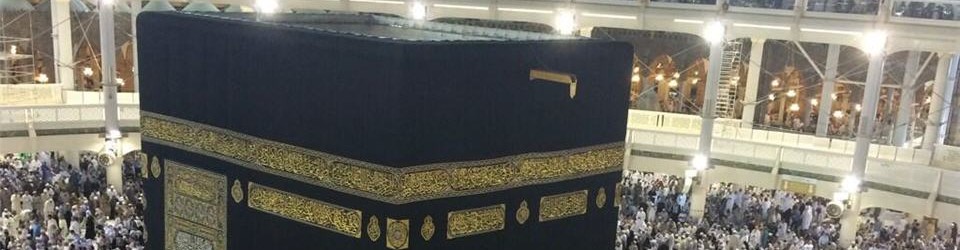
‘The people living in the vicinity of the House of Allah (Ka’ba) have a greater responsibility of following the Shariah commandments. To do so they must develop a strong relationship with Allah.
As per the teachings of my Shaykh Hadrat ‘Arifi (Allah have mercy on him) following three things are helpful in developing this relationship and love of Allah,
1. Recitation of the Sunna prayers (azkar) for the different occasions in once daily life.
2. Making supplications for each and everything.
3. Being abunbdantly thankful of all the blessings Allah has bestowed on us.’
Bayan, Jeddah 16th February 2010, after ‘Asr



Sayyidi wa sanadi Shaykh Mufti Mohammad Taqi Usmani
(Allah preserve him) will be, inshaAllah, in
Jeddah
on Tuesday 16th February 2010.
A majlis will be held after ‘Asr salah at Qari Rafiq sahib’s house in Hayy al-Safa district.

Sayyidi wa sanadiShaykh Mufti Taqi Usmani (Allah preserve him) is in the blessed Medinah these days.
With the Saudi school mid year vacations there is a huge crowd of pilgrims.
Going for the Friday prayers an individual inquired the Shaykh where could he find him in the Haram. The Shaykh replied that usually he tries to be in the first row of the mosque. To do so he left two and half hours before the juma salah time.
This apparently ‘ordinary thing’ is a teaching for all of us who are trying to improve their condition.
The excellence of praying in the first row, coming early for Friday prayers, sitting with the intention of e’itkaf, reading Holy Quran, reciting tasbih & salawat, offering salat at-tasbih, waiting for salah, etc. are things with numerous rewards mentioned in the Prophetic sayings.
Setting our priorities appropriately and useful utilization of time is the key to implementing these things in our practical life.
May Allah facilitate this for us. Amin!
Friday, 12th Feburary 2010, Medinah e munawwarah

صلی اللہ علیہ والہ وسلم
اغثنی یا رسول اللہ انی
لمغبون و قنطنی العظام
ترحم یا ابن امنۃ تراحم
ففی حوبی رضاعی والفطام
بک استشفعت فی قلی و کثری
بک استشفیت اذ عرض السقام
ملاذی انت ان ھجم اللیال
و حین قتالھم انت الحسام
ان استغفرت لی مولای یوم
اکن ممن علی الدین استقامو
یطیعک مثل عبد کل عضوی
وفی قلبی یدوم لک الغرام
صلی اللہ علیہ والہ وسلم
مناجات مقبول ص237

Stepping out of Masjid al-Haram, Makkah sayyidi wa sanadi Shaykh Mufti Mohammad Taqi Usmani (Allah preserve him) replied to an individual’s question regarding the daily wird,
‘Keep the amount of the daily wird at the level which you can complete easily. However, if on some day you have extra time and desire then go ahead and do more. ‘
He further instructed,
‘Read the book ‘Uswa e Rasool e Akram’ conscientiously and check which Sunna actions you are missing and then include them in your life.’
After esha, Monday 8 Feb 2010
Bab Abdul-Aziz, Masjid al-Haraam, Makkah e mukarramah

5th Feb 2010. Vist Library at Darl al-Mustafa, Tarim, Hadramaut