Category Archives: D. Acts of Worship

Various acts of devotion to show our servitude

ليبك اللهم ليبك

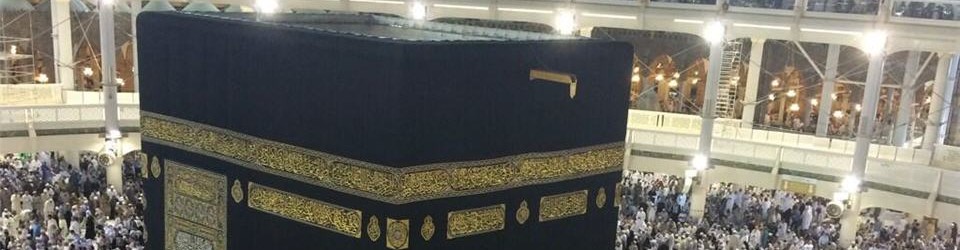
In the state of ihram proceeding towards Masjidul Haram, sidi wa sandi Hazrat Moulana Mohammad Taqi Usmani sahib db repeatedly recited;

لبيك اللهم لبيك لا شريك لك لبيك ان الحمد و نعمة لك و الملك لا شريك لك

and told us:
“In the state of ihram the most superior form of dhikr is this talbiyah. Reflecting on it, it is my opinion, and Allah SWT knows best, this repeated recitation is an exercise and training for us. That is it so remind us repeatedly that we are here, present and at service of Allah SWT. The result of this exercise has to appear when we return back to our routine daily life. There we have to say, ليبك: I am here, to obey each and every command of Allah SWT.”

Umrah with sidi wa sandi db

Special Dua!

Hakeemul Ummat Hazrat Moulana Shah Ashraf Ali Thanvi ra adviced a mureed to recite the following verses sincerely with dedication seven times after each salah for fullfilment of all desired dua.

فسهل يا الهى كل صعب
1
بحرمة سيدالابرار سهل

Tarbiyatus Salik volume 1 pg 459

Mistakes:Past & Present

Hazrat Hakeemul Ummat Moulana Ashraf Ali Thanvi ra said: 

One must forget the mistakes of the past. It is one of the big errors that one speculates about the future based on past happenings. That is, one considers that I will be negligent in future also, as I have been in my life previously. This destroys the determination (to rectify and progress).

Moreover, during the rectification (islah) phase if one slips or commits a mistake it is inappropriate to contemplate (muraqabah) on it for forever. One should repent sincerely by saying “O Allah SWT, forgive me” and proceed forwards. Otherwise this will become a muraqabah of one’s own (faults that leads to decreasing determination as said above.) And the witnessing (mushahida) of Allah SWT(‘s benevolence & mercy, which is the goal and leads to His love) does not take place. 

(Basair-e-Hakeemul-Ummat 539)

صوفی نہ شود صافی تا دُر نہ کشد جامی
بسیار- سفر باید- تا- پختہ شود- خامی
‍‌

Faraz, Wajib, Sunnah and mustaheb

Our understanding of these terms needs to be re-evaluated.
Most of us sort out actions according to these categories and stick to the faraz & wajib only. We consider sunnah & mustaheb to be optional choice reserved for the committed elite.

This is totally against the Ahl-us-Sunnah methodology.

The classification of actions by the fuqaha as Faraz, Wajib, Sunnah and mustaheb is late development in the Islamic history. These terms were not used during the period of Sahaba and the ta’baeen. They just copied the actions as done and reported by the Prophet salalaho alehey wa alehei wasalam (Sunnah).
Kisi ko dekhtey rehna namaz thi meri

However, with passage of time a system evolved to assess the acceptability of actions tainted by omission or negligence. That is, to ascertain either these deficient actions are valid or they have to be repeated again. It is then that the fuqaha developed these categories. They never meant to propagate the bare essential compulsory acts, disregarding & discarding the Sunnah.

We need to correct this concept and correct our actions accordingly.

(This is a synopsis of what I understood from a talk on this topic by Sidi wa sanadi Moulana Mohammed Taqi Usmani sahib db)

Following the Sunnah of Prophet

sallalaho alehey wa a’lehi wasalam

Hazrat Thanwi quddus sirrahu said that in our tareeq (path) the goal is achieved comparatively quickly. The reason being due to the extraordinary emphasis laid on following the Sunnah of Allah’s beloved prophet sallalaho alehey wa alehi wasalam. This makes the achievement of goal by jazb (Divine attraction/pull) rather than sulook (personal effort and toil). As it is said in the holy Quran;
(O Prophet!) Tell (them) that if you want to love Allah (swt), then you should follow me. (By this) Allah swt will love you and forgive all your sins. Indeed! Allah swt is all forgiving and merciful. (3:31)

It is therefore, very important to follow the Sunnah in all daily activities.
The whole life of Allah’s beloved sallalaho alehey wa alehi wasalam is in front of us. His personal appearance, attire and hygiene, activities from morning to dust, relationship with wives, way of worship, social interactions, manners, economic and governmental matters, and every imaginable daily activity is included in this.

It is preserved in texts like “Shamail” by Imam Tirmizi ra (Arabic, Urdu) and “Uswa-e-Rasool e Akram” by Arifbillah Dr Abdul Hayy Arifi ra (Urdu, English) and “A’laikum bisunnati” by Mufti Abdul Hakeem Sukharwi ra (father of Mufti AbdurRaouf Sukharwi dbt) (Urdu).

By following these intentionally, all daily activities become an act of worship. Thus a means of getting closer to Allah swt. It is the same personal, family, social and work life but adopting the Sunnah method changes dust to gold. Alchemy!Nothing is easy.

Every thing needs initiative and may be difficult in the beginning. But with constant practice it becomes easy and a routine. Such is the case here. After acquiring the knowledge of the Sunnah it has to be practiced in every day life thoroughly. If one faces difficulties in doing so, Sheikh needs to be consulted. He with his insight and experience will define a mode of achieving it.

Sab thay kay dehkha keyay unka kharam-e-naz
Hum thay kay unka naqsh-e-qadam choom tay rahay
(Arifi ra)

A’rifbillah Dr. Abdul Hayy quddus sirrahu used to tell his mureed how he did this;

“I practiced this for a very long period of time. That is, whatever I wanted to do, I did not do it instantaneously. I paused for a moment. Brought to my mind this knowledge that observing Sunnah is of utmost importance. Then I made an intention of following the method of Allah swt’s beloved sallalaho alehey wa alehi wasalam and did the act appropriately.For example, when I entered my house, I found one of my children playing. Feeling a rush of fatherly love and affection, I thought of picking her up and kissing her. However, I did not do it right away. I stopped myself for a moment. Brought to my mind the Sunnah of Allah swt’s beloved prophet sallalaho alehey wa alehi wasalam, that he used to love children and showed affection to them. I then made an intention (niyyah) of following him and proceeded to pick her up and kiss her.Similarly, while on dinner table, I did not start eating immediately. I brought this fact to mind that it was Sunnah of prophet sallalaho alehey wa alehi wasalam to eat. Then intending to do so, I began eating using my right hand, after reciting Bismillah and observed the Sunnah table manners throughout the dinner.”

Jigar pani keya hay mudatoon, aay A’rifi, gam ki kasha kash mein
Koiy aasan hay keya khogar e aazar ho jana(Arifi ra)
However, it is important to point out that this is not a play of words. That is, in fact I am eating because I am hungry or a very tasty platter of food is in front of me. I just recite that I eat because it is Sunnah and fulfill my own desire. This is not the message. One has to contemplate the importance of observing Sunnah at that moment and proceed with the intention to do so. Doing it in the correct Sunnah manner. This is the correct sequence of events to make it a true following of prophet sallalaho alehey wa alehi wasalam.

Teray habib ki ya Rabb shabahat lay key aya houn
Haqiqat is ko tu kardey mein sorat ley kay aya houn
مسجد/گھر/دفتر: عبادت گاہ

عارف باللہ حضرت ڈاکٹرعبدالحئ عارفی رحمہ اللہ علیہ نے فرمایا؛

تمام مسلمانوں کی تین عبادت گاہیں ہیں
ایک عبادت گاہ مسجدہے، جہاں اللہ کے فرائض و واجبات ادا ہوتے ہیں
دوسری عبادت گاہ ہمارا گھر ہے
تیسری عبادت گاہ ہمارے کام کرنے کی جگہ

تو جس طرح پہلی عبادت گاہ مسجد سبق آموز ہے، اس میں ہمارے لیے استقامت کا سبق ہے۔ کبھی کھڑے ہو جاتے ہیں، کبھی جھک جاتے ہیں، کبھی بالکل تواضع کرتے ہوۓ سجدے میں چلے جاتے ہیں۔

اب یہ تینوں چزیں آپ کو گھر کی عبادت گاہ میں ادا کرنی پڑیں گی۔ سب سے پہلے اس میں آپ کو صبر و تحمل اور استقامت سے کام لینا ہوگا۔ اور جس طرح جہاں جھک جانے کا موقع ہوگا وہاں جھکنا پڑے گا۔ کبھی ان (اہلیہ) کی ناگواریوں کو سہہ کر عجز و نیاز کی باتیں کرنی ہوں گی۔ کہیں طبیعت کو نرم کرنا پڑے گا، کبھی لہجہ بدلنا پڑے گا اور ———کسی وقت بےبسی کا عالم ہو تو للہ رب العالمین پڑھتے ہوۓ سجدے میں چلے جاؤ اور کہو یا اللہ یہ معاملہ ایسا ہے جس میں آپ کی مدد کی ضرورت ہے، میں آپ کا بندہ ہوں آپ سے مدد چاہتا ہوں۔

اسی طرح تیسری عبادت گاہ (دفتر) میں ایک ذوق اور جذبہ لے کر بیٹھو۔
وہ جذبہ کیا ہے؟
اخلاص نیت اور جذبہ ایثار۔ کہ اللہ تعالی نے مجھے اس وقت اس کام پر لگایا ہے، مجھے خلوص و ایثار کے ساتھـ کام کرنا چاہیے، شیطان کو قریب نہ آنے دو۔ جہاں کہیں مخلوق سے واسطہ پڑتا ہو تو وہاں انتہاتی تواضع سے کام لو، جھک جاؤ، جذبات کو انتہاتی قابو میں رکھو، اگر جذبات بے قابو ہو جائیں تو اس کی تلافی کر لو۔

ملفوظات عارفی 217

Tips for waking up early!

Hazrat Hakeemul Ummat Moulana Ashraf Ali Thanvi ra recommended following tips for waking up early;

1. Eating less at dinner
2. Eating dinner earlier (ideally before esha)
3. Drinking less water (in evening)
4. Reciting the last 4 veses of surah Kahaf (18:107-110) once (at bed-time).

Basair Hakeemul Ummat page 562

Also, to have a sincere intention for this and make dua (prayer) asking for Allah swt’s help to arise at the specific intended time.

wAllah-ul musta’an

اپنے دین کی حفاظت مقدم ہے

حکیم الامت مجدد ملت حضرت شاہ اشرف علی تھانوی قدس سرہ نے فرمایا
اگر دوسرے کے دين کی حفاظت میں اپنے دین کا اندیشہ ہو, تو اپنے دین کی حفاظت مقدم ہے۔
If there is potential of harming  one’s own religion(deen) while saving someone else’s deen then it is a priority to safe one’s own deen.
حسن العزیز 1/109

Following the desires is not Deen!

Sidi wa sanadi hazrat Moulana Mohammad Taqi Usmani sahib db said;

Religion (Deen) is following the commandments of Allah swt and His messenger sallalaho alehey wa alehi wasallem in one’s everyday life.

People prefer doing those religious acts which are pleasing to their desires. Irrespective, if they are the call of the moment from Shariah. For example, some youngsters develop a desire to become an ‘alim(religious scholar) or go for jihad. They pursue this aim regardless of their parent’s genuine needs and instructions. Similarly, some people develop a taste for tabligh missions and are ever ready to go out for 3,10 or 40 days trip. Earning a halal livelihood, taking care of the family and other moral obligations becomes secondary to them. Some are ever ready to perform nafil Hajj and Umrah, with thousands of qaza salat outstanding. Etcetera, etc.
This is not deen.
This is following one’s own desires undercover of deen.

Acknowledge what the call of the moment is from Shariah and act accordingly.
This is Deen.
Initially this is quite difficult for a novice. Hence, the help and guidance froma Sheikh is essential to do this.”

Similitude of Bid’at/Innovation

Intoducing something new in religion considering it to be an essential part of Deen is bid’at/innovation (ahdis fi deen). However, if the new action introduced is considered non-essential and only to be a means of achieving a Shariah objective then it is not a bid’at (ahdis lideen). A bid’at is worse than a sin. Sinner considers himself to be wrongful, so there are chances that he might repent. However, bid’ati never considers himself to be doing anything wrong and never repents. Alhuma hafizna!

Once Sidi wa sanadi Hazrat Moulana Mohammad Taqi Usmani sahib db told us;

“Once Moulana Abdul Aziz Duaju, a senior scholar/sufi sheikh associated with Tablighi-jamat visited my father Hazrat Mufti Mohammad Shafi’i ra. He said, ‘Mufti sahib, I dreamt that you were standing infront of a blackboard teaching a class of students. You wrote the arabic numerical one (1) on the board and inquired the student what it was. They replied correctly. Then on its right side you added a zero (sifir) making it 1.(10) . Again you questioned the students and they answered correctly. Then mutiple time you added zero on the right side and the number increased tenfolds every time(100. 1000, 10,000). Then you erased all these and added a zero (sifir) on the left side of the arabic numerical 1, making it .1(0.1). Again you questioned the audience and they replied that it has decreased tenfolds. Like before you added zero many times on the left and the number decreased tenfolds every time (0.01, 0.001, 0.0001).

Having demonstrated this example you explained to the students that the similitude of adding zero on the right side is of doing an action in accordance with Sunnah. It increases the reward many folds. Whereas, the likeness of adding zero on left is of innovative (bid’at) actions. It decreases the reward of the deed many folds. Both look the same outwardly but actully they are very different.”

Islahi/Self-improvement correspondence!

Sheikh for self-improvement is a corner stone in Ashrafi path(tareeq).

Islahi Makatebat/ correspondence with the

Letters (emails) should be written at regular intervals (usually once a month).

They should include details regarding ones spiritual condition.
That is,
– If all the faraiz, wajibat and sunnah are being carried out as prescribed by Shariah. For example, is one unable to perform Fajer salah at time with jam’ah?
– Are the acts pending for completion of taubah (repentance) being fulfilled accordingly, e.g. qaza salah/zikat/saum being done.
– Is one performing the zikr & tasbehats prescribed
– Most importantly details regarding the m’amlats/social interaction. Especially where one notices that a blame worthy moral traits was a driving force or one lacked the praise worthy moral trait. For example, being envy (having hasad) when seeing brother-in-laws new Lexus car.
– Informing about one’s over-whelming or troublesome thoughts
– Requesting dua.
– Informing about any extra ordinary dream (seldom done).

This is the rabitah-e-Sheikh/Getting connected with Sheikh. Without it taking ba’iyet & traversing the sulook is just a dream.

This is the Ashrafi Khanqah/Zawiya!

wa taufiqi ilabillah!

Our Sins

Mufti e azam Pakistan Mufti Mohammad Shafi’i ra khalifa of Hazrat Hakeeul Ummat ra said;

“There are numerous minor (sagerah) sins.
All actions performed against the Sunnah method are minor (sagerah) sins.
For example, one drinks water without reciting ‘bismillah’, this is a minor sin. Also, if one eats or drinks using the left hand, this is a minor sin.”

Majalis Mufti-e-azam Albalagh J1,1410 pg 294

The First Instruction

Hazrat Arifbillah Dr. Abdul Hayy Arifi ra said;

First and foremost I request you to make a realistic and stable time table for your daily activities. Working on such a scheduled routine has lot of barakah (blessings). By it a lot of work can be done in short duration. And also by its barakah difficult task become easy.
(Ma’moolat-e-yoomiyah pg 7)

Asking Allah swt (dua) a lot.

The last thing in our list of deeds leading to t’aluq ma’Allah/Love of Allah swt is making dua a lot.

This is in addition to reciting the Prophetic invocation for different occassions.

Dua is the soul of worship, as told to us by Allah’s beloved Prophet sallalaho alehey wasalm. It creates a direct connection between Allah swt and His slave (abd). Persistence and sincerity in it leads to permenance of this connection.

This may be the reason, Allah’s beloved, Prophet sallalaho alehey wasalm commanded us to ask every thing from Allah swt. Even salt (for our food) and laces for our shoes.

Remarkably, dua is the only form of worship in which the asking for wordly benefits also becomes a source of merit (thawab).

Arifbillah Dr. Abdul Hayy ra used to tell his mureeds, get into the habbit of talking to Allah swt. Tell Him all your worries and concerns. Ask help and assistance from Him in each and every action. Sheikh Mufti Taqi Usmani mudhazillahu explains this by giving the following examples. If you hear the phone bell ringing, ask Allah swt that there may be good in it and person calling gives good news. If you are searching for something, ask Allah swt to facilitate the search. Similarly, if you plan to travel, ask Allah swt to provide safe, economical and swift means of transport and that the journey be pleasnat. Etc., etc. In short before each and every action turn to Allah swt.

Bandah hu(n) tera, Aay Allah meri sun
Farma dey meray maqsad-e-qalbi kay leyay kun
Har ghair ko dil say meray ma’doom hi kar dey
Sab bhool kay lag jaay bus ik dil ko teri dhun
(Hazrat Baba Najam Ahsan ra)

http://ashrafiya.blogspot.com/2004/11/conclusion-signs-of-taluq-maallah.html